For the past several years, the global landscape has been defined by a series of seemingly distinct crises: a brutal land war in Ukraine, simmering trade and technology disputes between the US and China, and now, a direct military confrontation in the Middle East that has drawn in global powers.
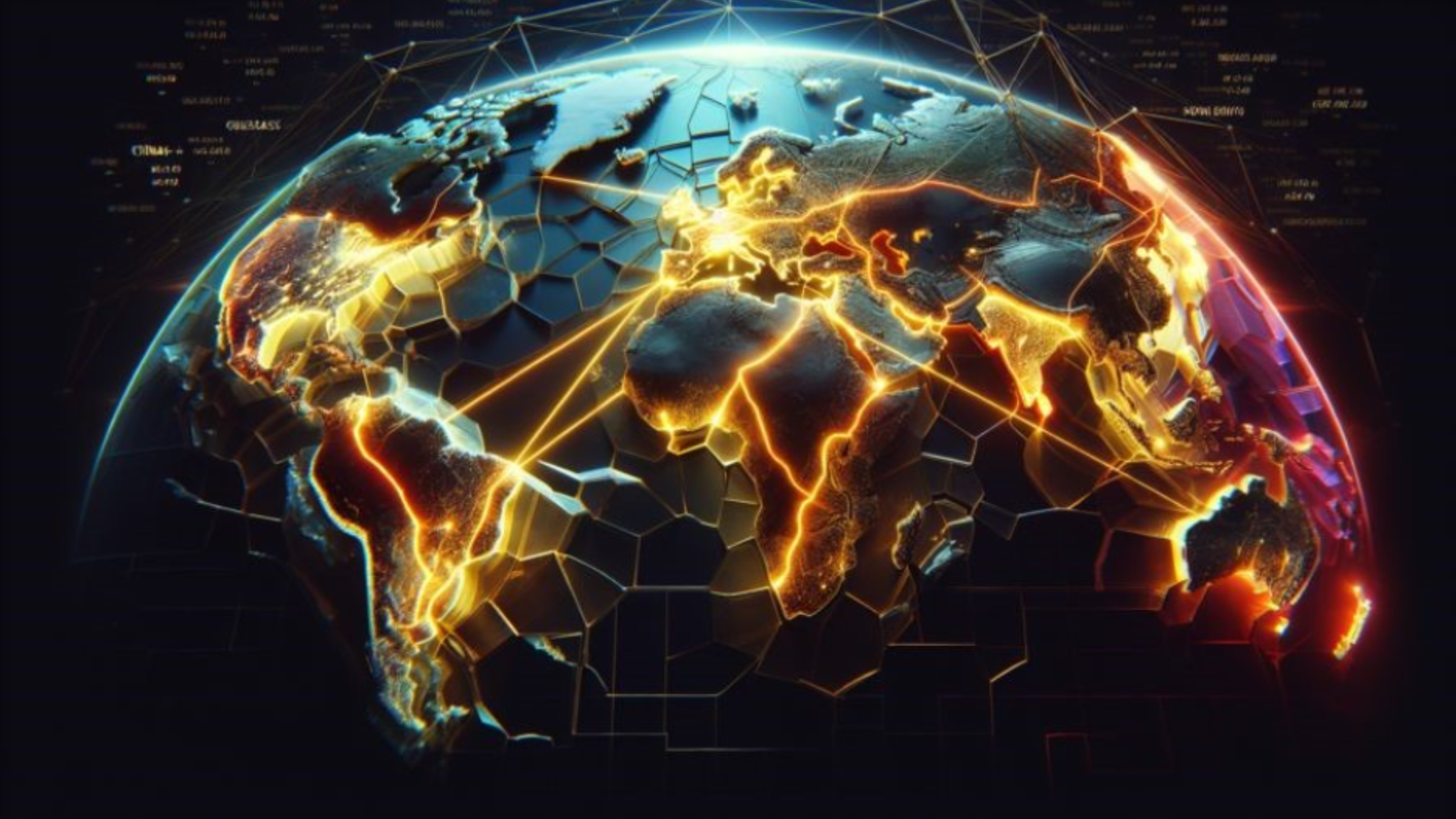
The temptation is to view these as separate fires. This is a mistake. What we are witnessing is not a series of isolated events, but a single, systemic process: the Great Unraveling of the post-Cold War, unipolar world order. The shockwaves from the Middle East are not just another crisis; they are a Great Clarifier, forcing nations to reveal their true allegiances and exposing the deep fractures that will define the new global reality. This new reality is not a simple bipolar contest between the West and an Eastern bloc, but a more complex, fragmented, and ultimately, more opportunity-rich environment for those agile enough to read the new map.
The Two Souls of BRICS+
The recent expansion of BRICS to include major energy and demographic powers like the UAE, Saudi Arabia, Iran, and Egypt was a landmark event, signaling a definitive shift in the global center of gravity. However, to view this new “BRICS+” as a monolithic entity, a new Warsaw Pact arrayed against the West, is to fundamentally misread the situation. The single greatest strategic error an analyst or investor could make today is to assume unity where there is only alignment of certain interests. In reality, BRICS+ has two distinct souls.
The “BRICS+ North” axis, primarily comprised of China and Russia, represents the core geopolitical challenge to the Western-led order. Theirs is a partnership forged in a shared desire to curtail US military and political dominance. It is a bloc defined by its opposition to the current power structure, seeking to revise the rules of global governance to better suit its strategic imperatives.
In stark contrast, the “BRICS+ South” represents a far more pragmatic and economically-driven coalition. This group, with India as its natural anchor and including powerhouses like Brazil, the UAE, and Saudi Arabia, is not primarily defined by anti-Western sentiment. It is defined by a pro-growth, pro-sovereignty, and pro-business agenda. These nations are not seeking to overturn the global system, but to reform it, demanding a more equitable stake that reflects their growing economic power. They are tired of being junior partners in a Western-led system but have no desire to become junior partners in a China-led one. Theirs is a quest for a multi-nodal world, where they can maintain strategic autonomy and pursue prosperity by building diverse partnerships across the globe.
India: The Fulcrum of a New Liberal Bloc
Within this dynamic, India is the undisputed fulcrum. With its massive and youthful population, a booming economy projected to be a primary engine of global growth for decades, and a fiercely independent foreign policy tradition, India is uniquely positioned to lead this “BRICS+ South.” It is a democracy, albeit a complex one, that shares a common language of business and law with the West, yet its strategic and economic priorities are increasingly aligned with its partners in the Global South. India’s leadership offers a compelling alternative to the binary choice between the Western camp and the China-Russia axis. It is creating a third pole, one built not on military alliance but on shared economic ambition and a desire for a more balanced world.
The Gulf's Strategic Pivot to the New South
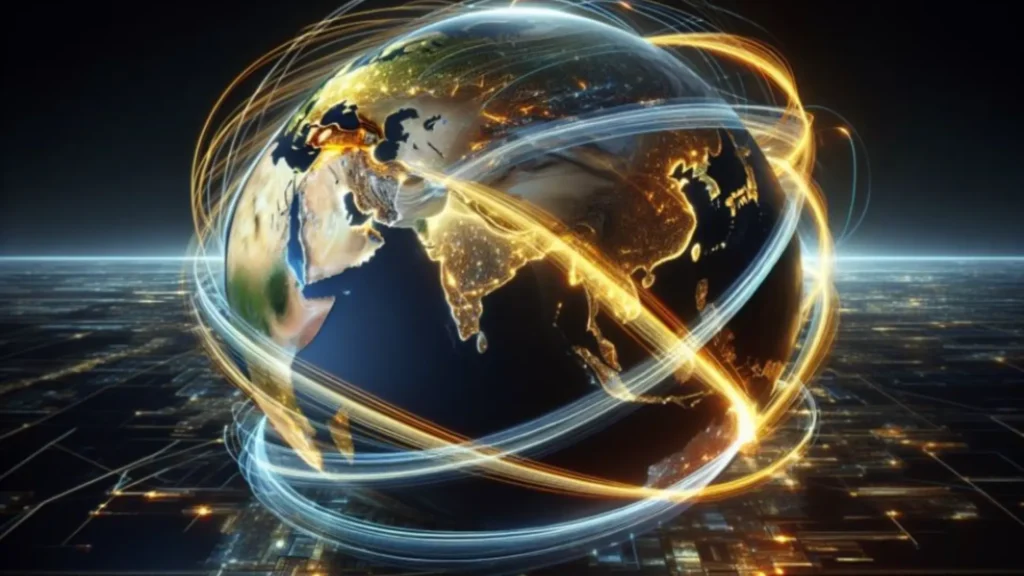
This is the context in which the strategic masterstroke of the UAE and Saudi Arabia becomes clear. While maintaining important relationships with the West, their decisive pivot is towards this “BRICS+ South.” The deepening of economic, political, and strategic ties with India is not a peripheral policy; it is the central pillar of their future-proofing strategy. They see that the demographic and economic momentum has shifted. The future of energy demand, of manufacturing, of technology services, and of capital flows will be increasingly driven by the rising powers of Asia, Africa, and Latin America. By positioning themselves as key nodes in this new network—connecting capital, logistics, and energy between the Gulf and the Indian subcontinent—they are ensuring their continued centrality in a world where the old maps no longer apply. This strategic reorientation is more than enough to offset any potential decay in influence from traditional Western partners.
The New Economic Map and the One4All Opportunity
The West will undoubtedly attempt to exploit the political and cultural differences within BRICS+ to slow this transition. They will highlight the democratic deficit in some nations and the cultural friction between others. But this strategy is likely to fail, because it underestimates the sheer force of the underlying economic logic. The “BRICS+ South” is not a political project; it is an economic inevitability.
This new, fragmented landscape creates immense opportunities. Firstly, the narrative of a simple decline in Western business is too simplistic. While some traditional sectors may see their influence wane, a new, more astute class of Western enterprise will emerge. These are companies that understand that the “BRICS+ South,” particularly the India-Gulf corridor, is not a risk to be managed but the single greatest growth opportunity of the 21st century. They will seek partners and platforms—like One4All—that can navigate this new terrain.
Secondly, for entities based in the UAE, this new reality is a tailwind. Our location, our infrastructure, and our deep understanding of these cross-currents position us perfectly to be the premier gateway for capital, talent, and innovation flowing between the West and the “BRICS+ South.”
Conclusion: Thriving in a Fragmented World
The Great Unraveling is not a descent into chaos, but a reconfiguration into a new, more complex order. The unipolar moment is over, but the future is not a simple bipolar contest. It is a multipolar, multi-nodal world with several centers of gravity. The primary engine of growth and opportunity for the coming decades will be the pragmatic, business-first nations of the “BRICS+ South,” with the India-Gulf axis as its vibrant heart. The key to not just surviving but thriving in this new era is to let go of the old map, embrace the fragmentation, and position oneself as an indispensable connector in the new world being built before our eyes.